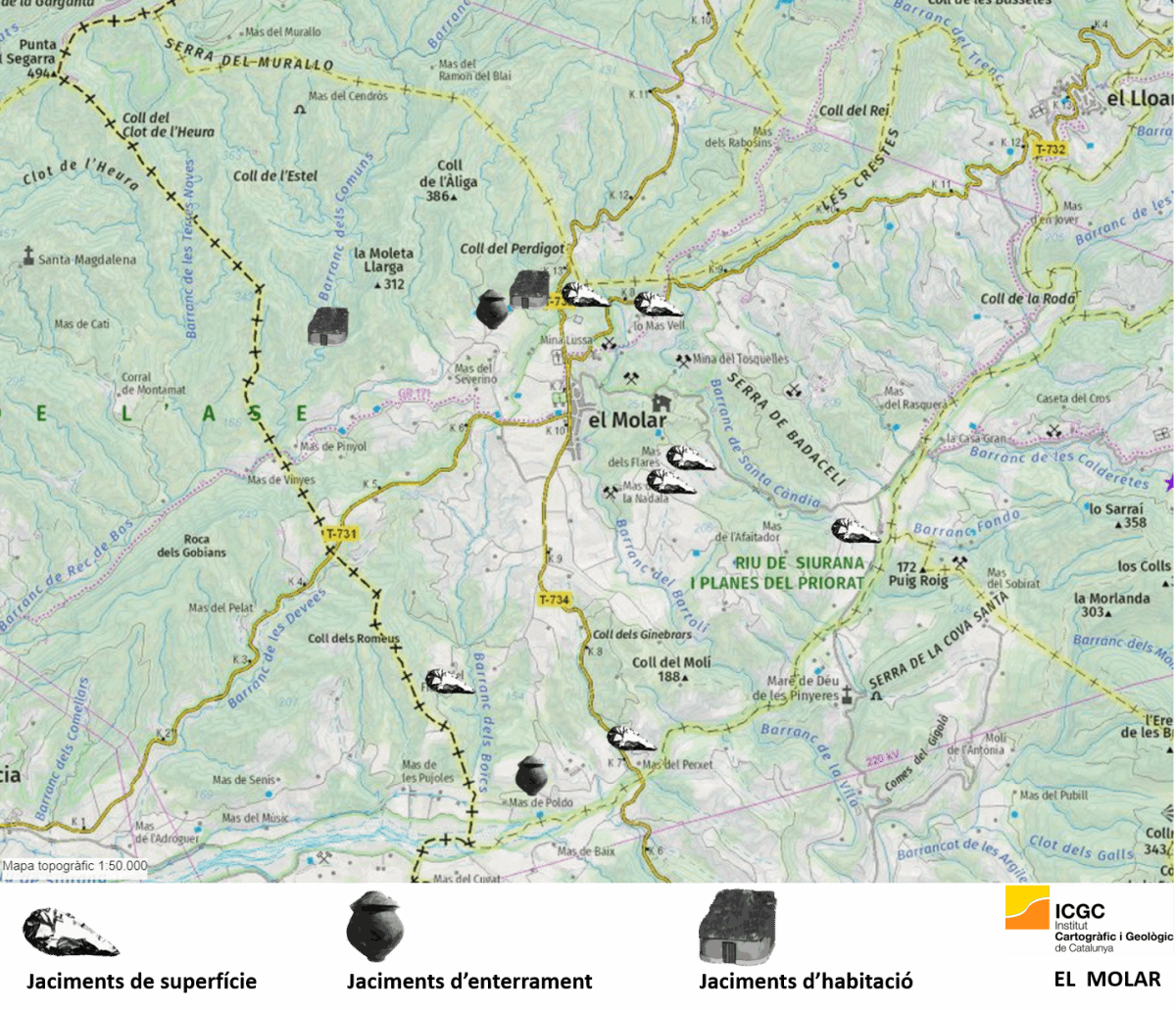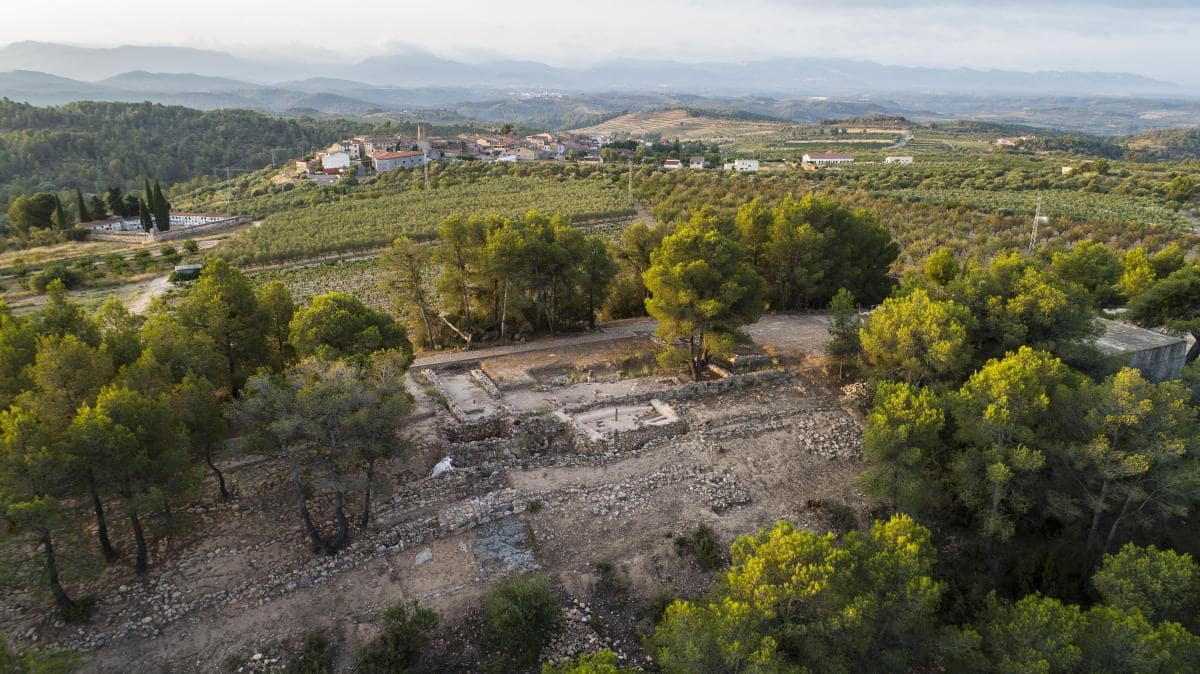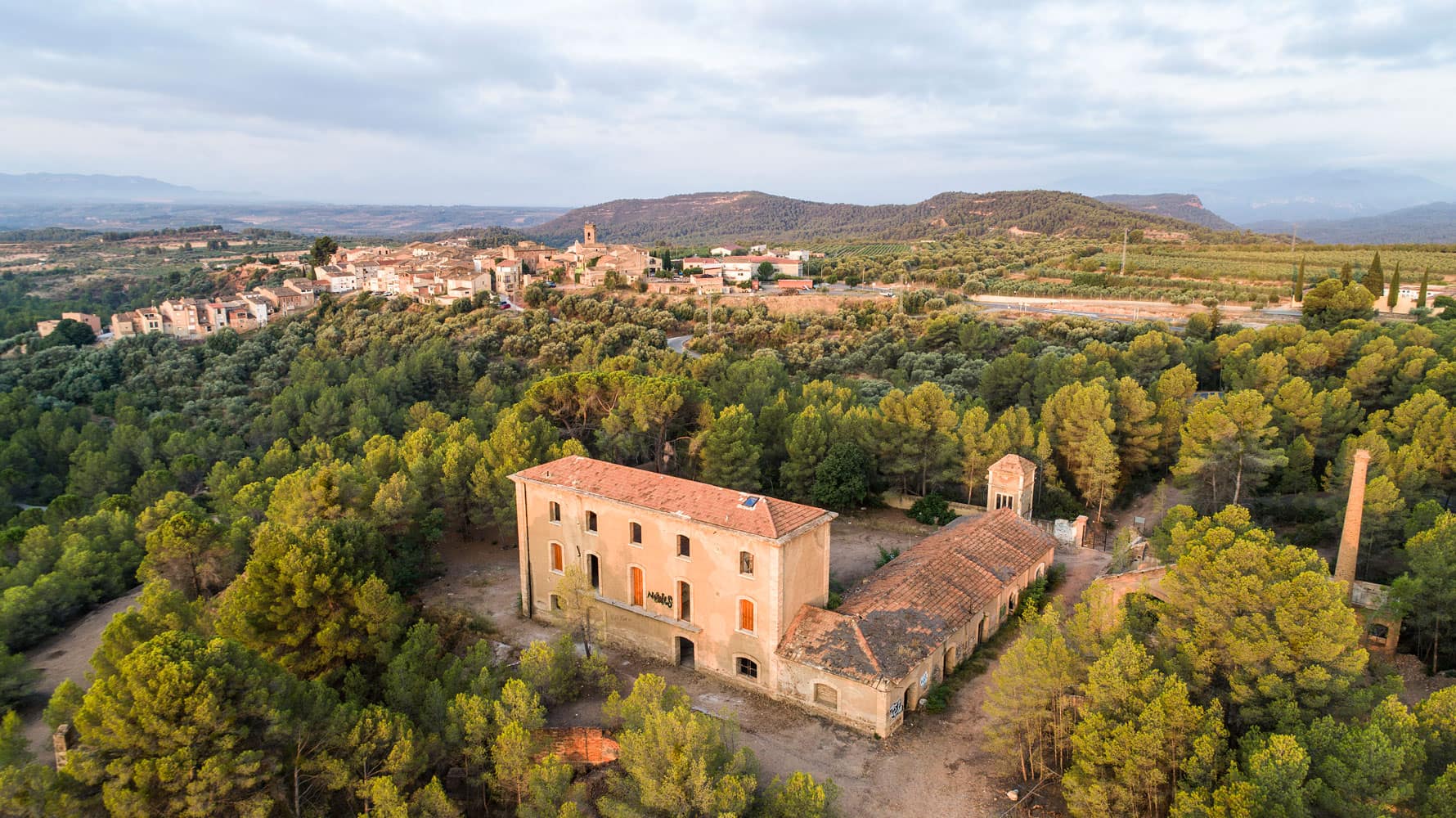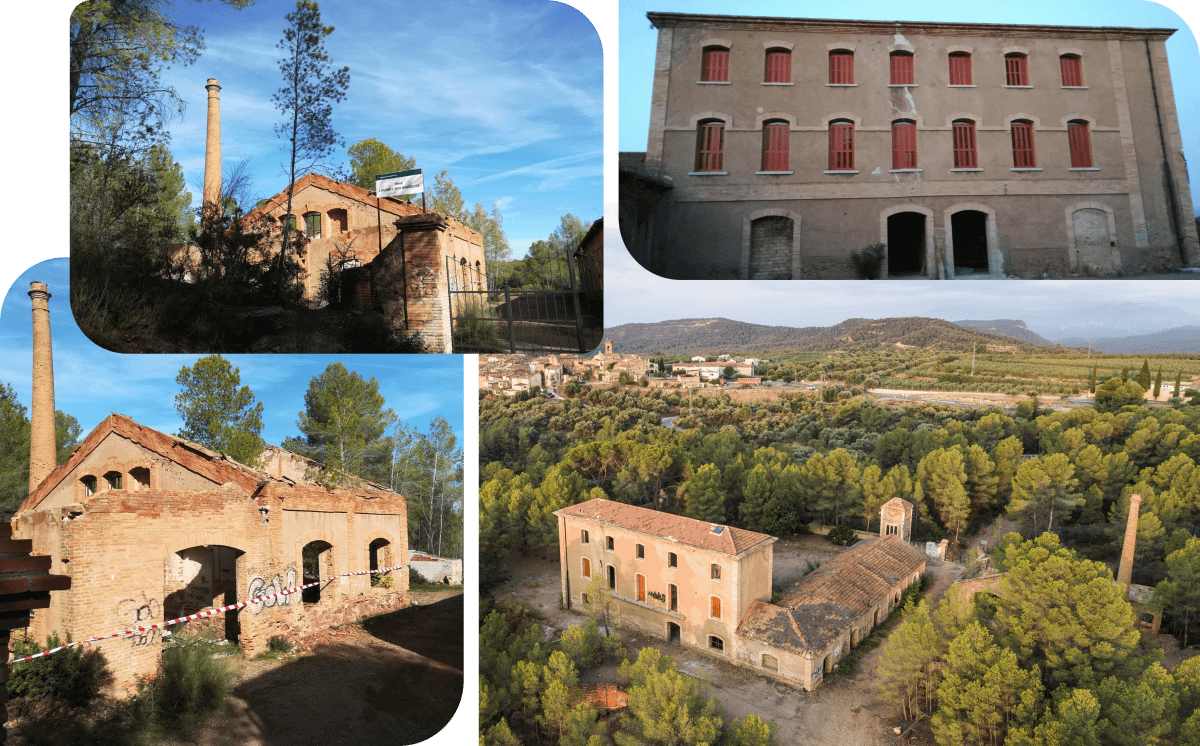
Subsequently to the Roman presence, the territory of Molar is practically uninhabited and the population centre moves to Garcia. Garcia, which, initially dependent on Siurana, would eventually become independent and transform into a centre of power governing the territories of Garcia, El Molar, El Masroig, Falset and Pradell.
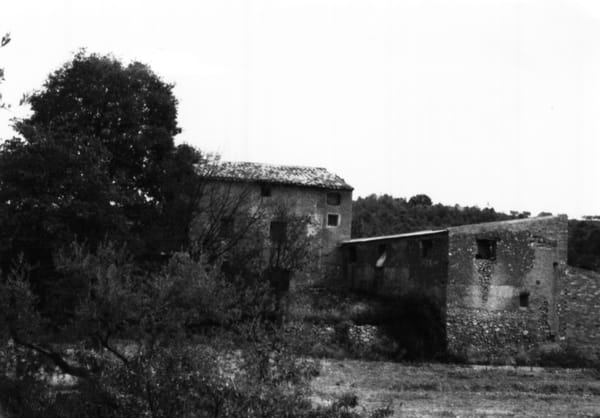
With the arrival of the Christians, Count Ramon Berenguer IV gives the lands of El Molar to Poblet Monastery, as it is read in a document from 1156. Specifically, a set of orchards is given, and the Mas d’en Bas (actualment conegut com a Mas del Severino), uns espais que pertanyien a la Garcia sarraïna però que es troben dins el terme del Molar.
On the other hand, in the year 1194, King Alfonso the Chaste ceded a set of lands to the monks of Saint Bru (which would constitute the birth of the Charterhouse of Escaladei i part of the historic Priorat) which included the estate Pearl of Priorat. Within this land of El Molar, where Mas Martí is currently located or Mas dels Frares, aquests monjos van construir-hi un petit monestir que funcionarà fins la desamortització de Mendizábal, el 1835.
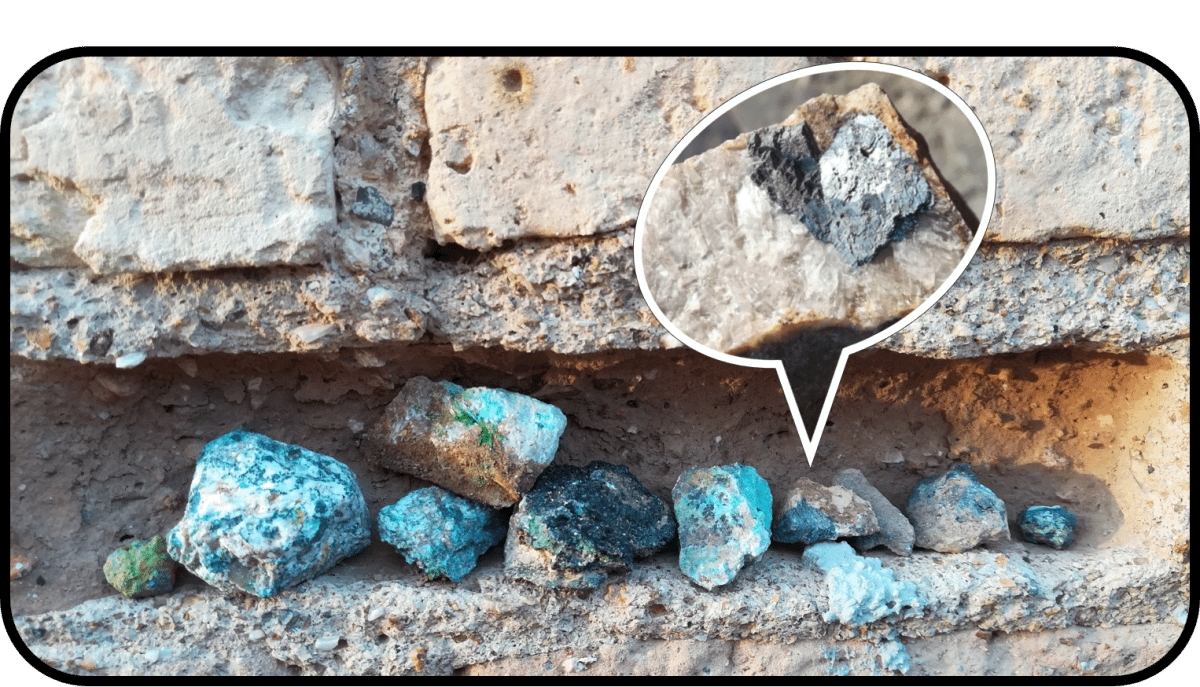
It is also known that in the year 1309 part of the lands of the current municipality of El Molar passed into the hands of the Barony of Entença (Guillem d’Entença i Montcada, specifically) and, upon his death, they were incorporated into a political-territorial entity that would ultimately become the County of Prades and the Barony of Entença, when King James II cedes these territories to his son Ramon Berenguer of Aragon, who exchanges it with his brother Peter of Aragon (in exchange for the County of Empúries). Peter of Aragon will benefit from this exchange of lands, when various discoveries begin to be made Mines (especially of galena) in the lands of the present-day Priorat.
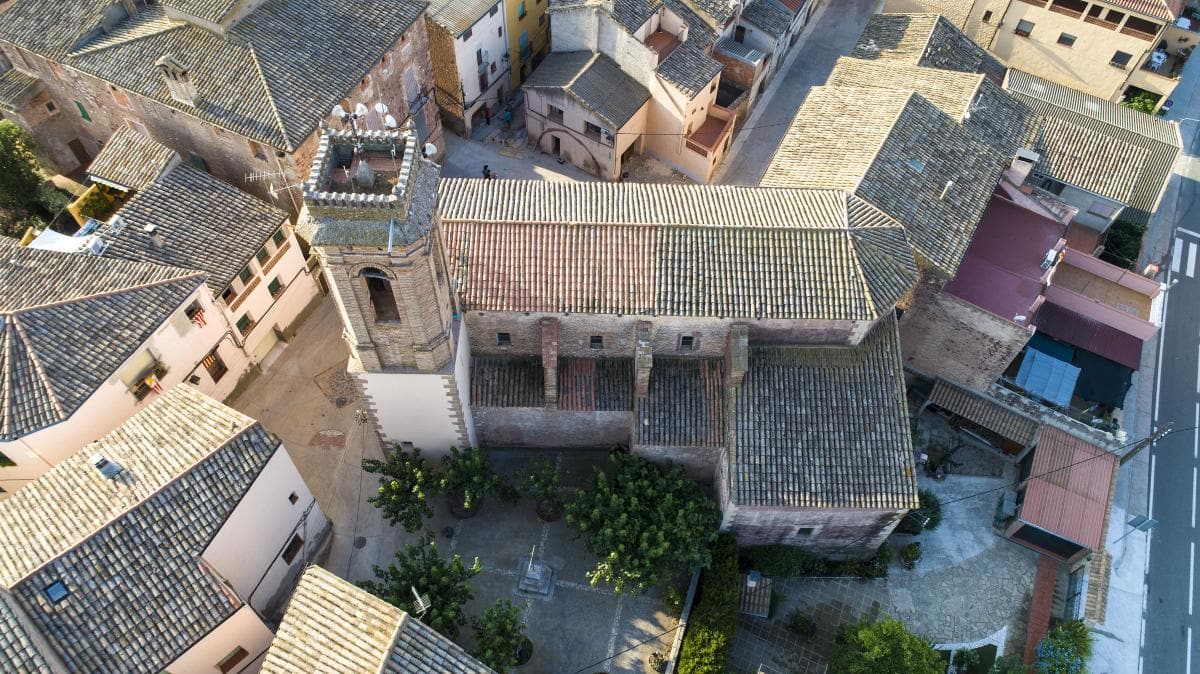
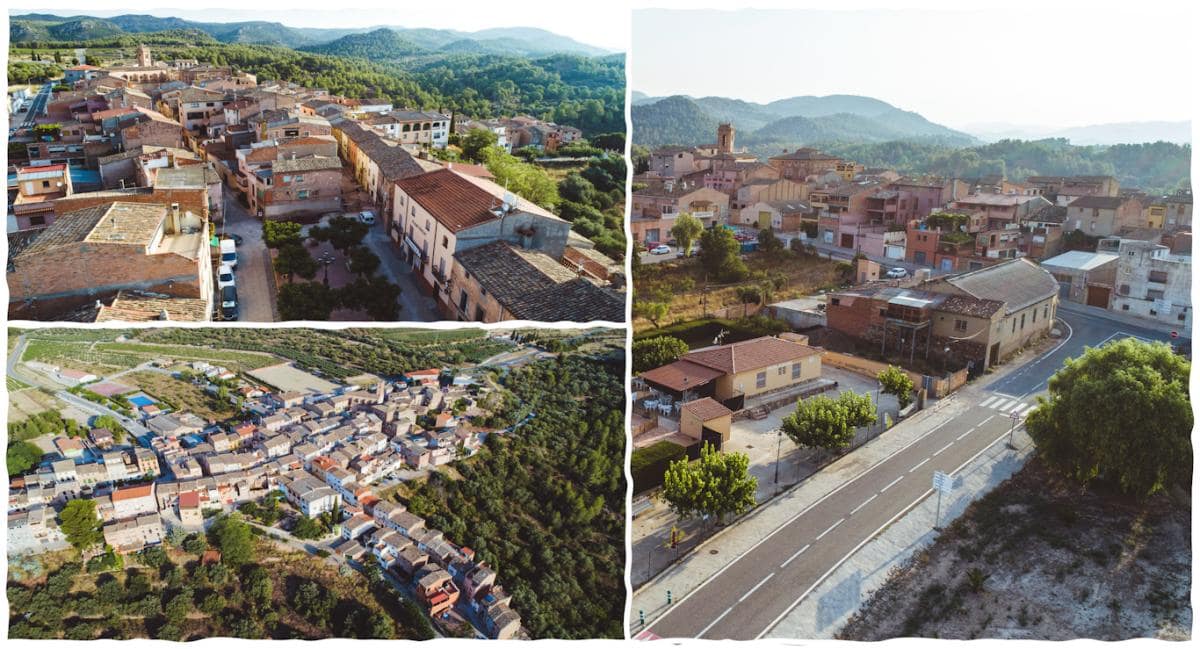
During these first centuries, the people of El Molar had not yet formed, and the main road even passed by the side of Mas d’en Bas in the direction of El Lloar and Garcia. The old nucleus of the current village was known as the Masos del Molar it was not an independent population until l’any 1850, quan finalment se segrega de Garcia. Vol dir això que El Molar no existia? Quan es passeja per la població es pot discernir perfectament quines són les cases més antigues, vora l’església, amb una minúscula Plaça Major testimoni d’aquest passat. Un nucli original format per Cal Bargalló, Cal Vilanova, Cal Claro Vell, Cal Coco i Cal Coco Vell.
Aquest nucli urbà s’ampliarà a partir del s XIX, creixent en direcció a l’actual Ajuntament i la carretera, una construcció ràpida que durà a una separació per carrers segons les diferències socials i econòmiques.
Maria Garcia Barberà
Fotografies: Ajuntament El Molar