Molar Town Hall
History and points of interest
History of El Molar
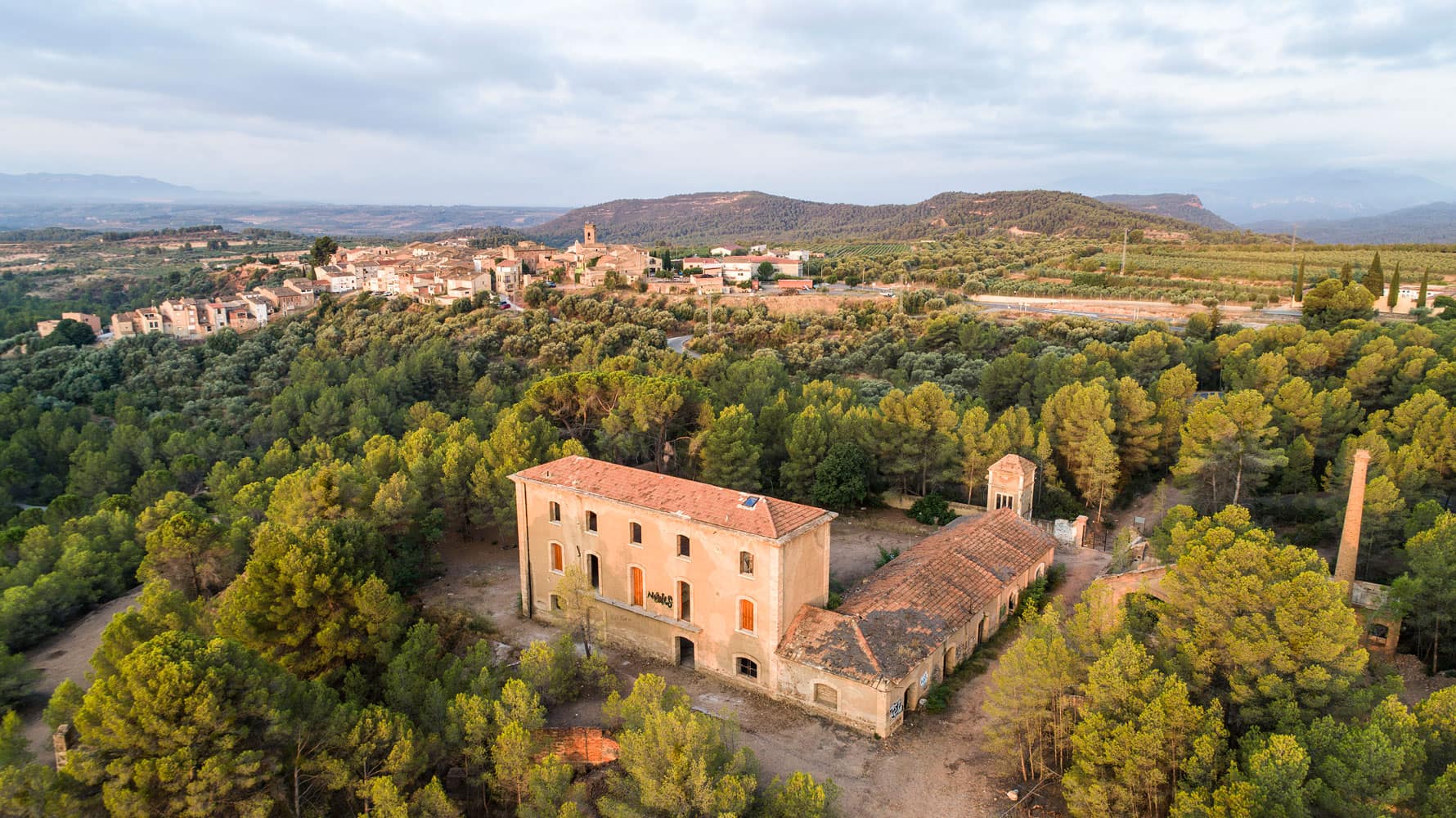
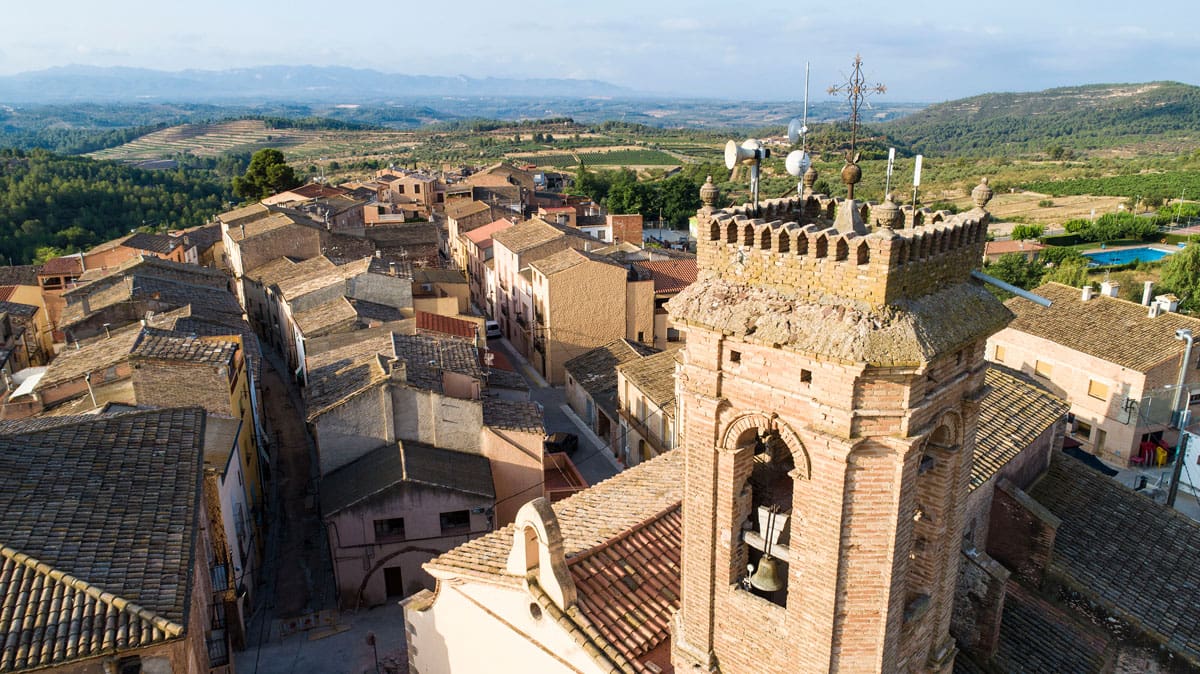
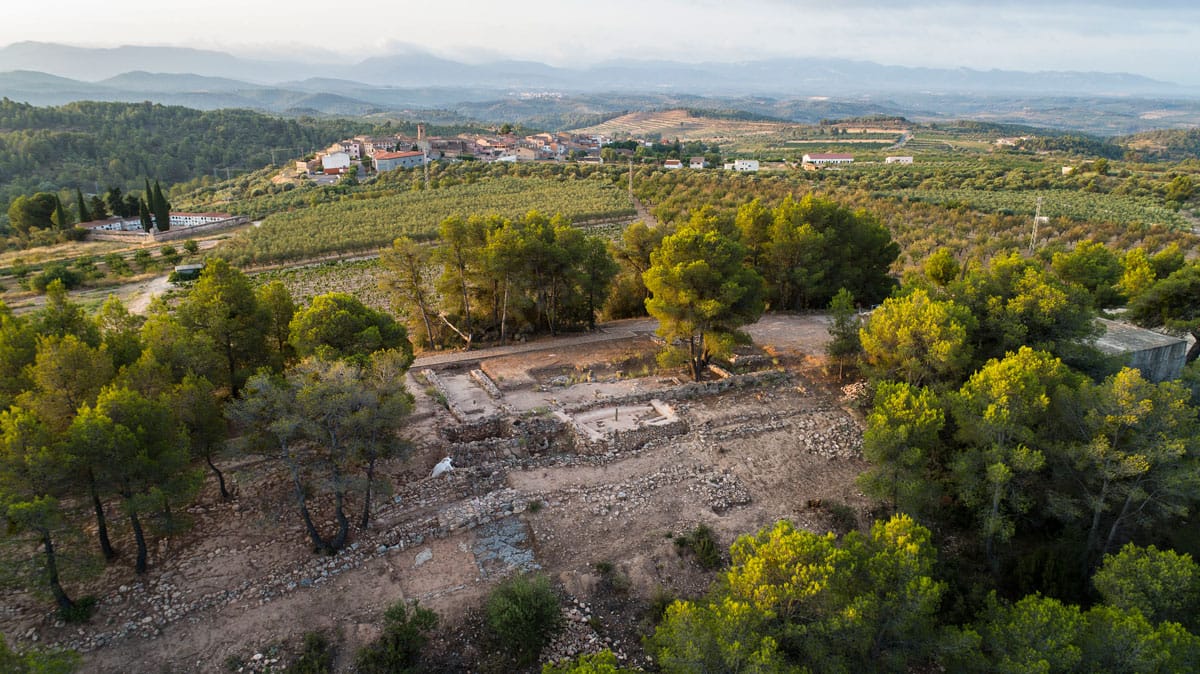
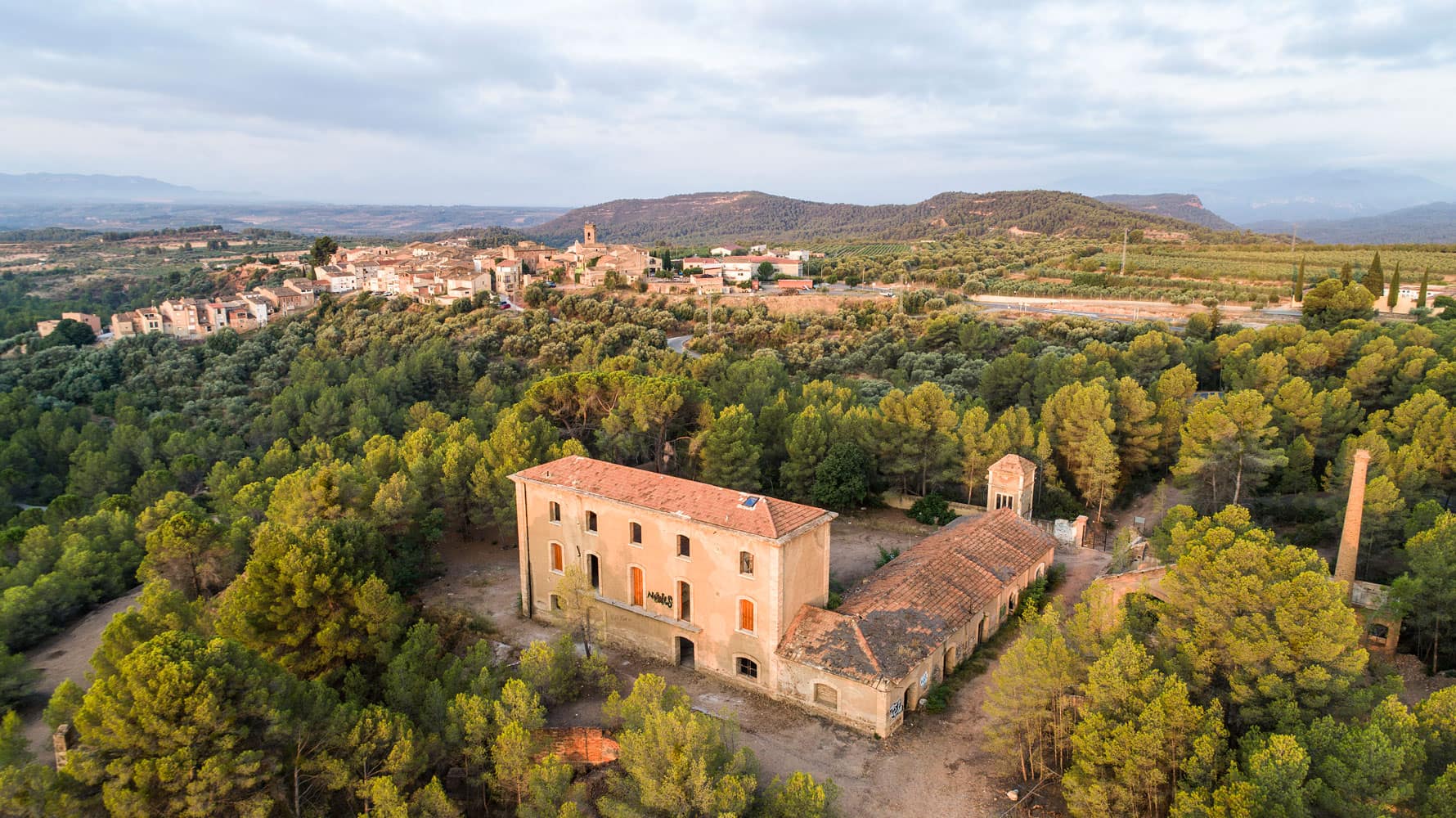
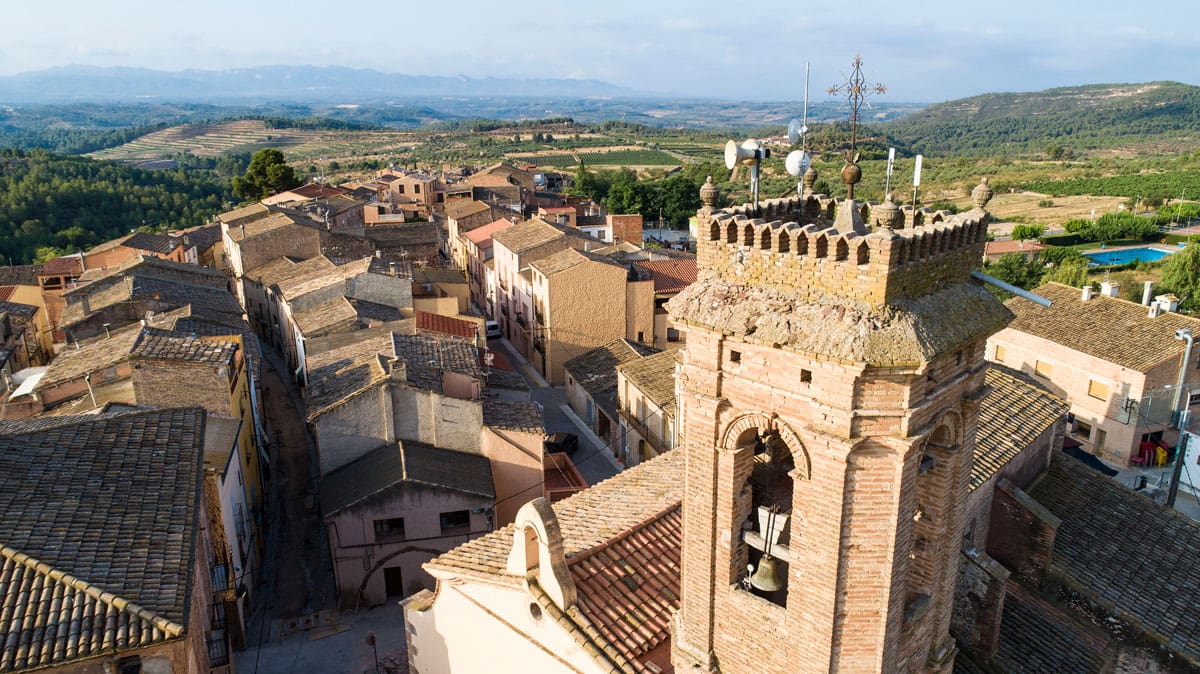
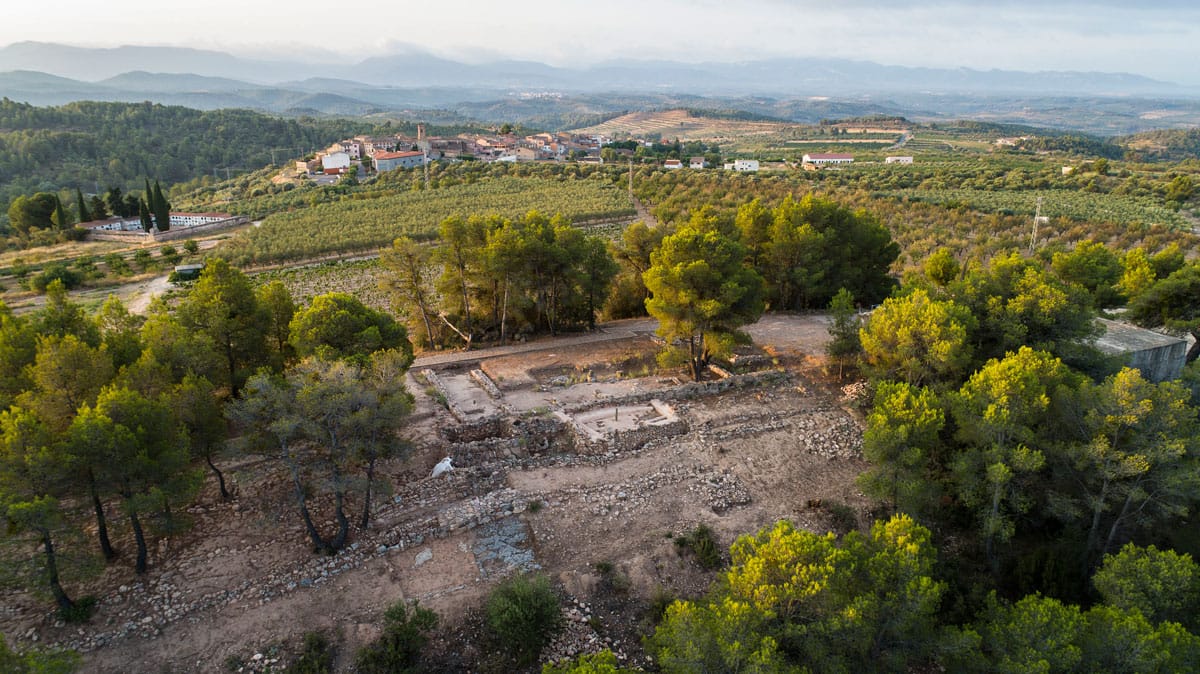
We might imagine that in ancient times the Priorat region was a rather empty and desolate place, but the reality wasn't quite like that.
In the 8th century BC, in the municipality of El Molar and its surroundings, one could speak of a high density of occupation, as on either side of the Siurana River, there were two settlements of (possibly) a hundred inhabitants each. The first, in our municipality, was El Calvari, and the second, on the other bank, was Puig Roig del Roget.
As we can imagine, and following the long and time-honoured tradition of neighbourly relations, there must have existed a little rivalry between the two villages.
These push-and-pull relationships, loves and hates and, above all, coexistence, take us through a long history that began with the first human settlements in the 7th century BC and was built, over the years, with the passage of the Romans through our lands, the conflict between Arabs and Christians and the Christian “reoccupation”, the foundation of a settlement of scattered farmhouses which, over the years, became a town, El Molar's role as a mining centre, a space for industrialisation and the arrival of modernity, and the terrible passage of the Civil War.
XXX centuries of history and stories, many of them still waiting to be discovered, which shape the soul of a unique people: El Molar.
Maria Garcia Barberà
Timeline
Neolithic period
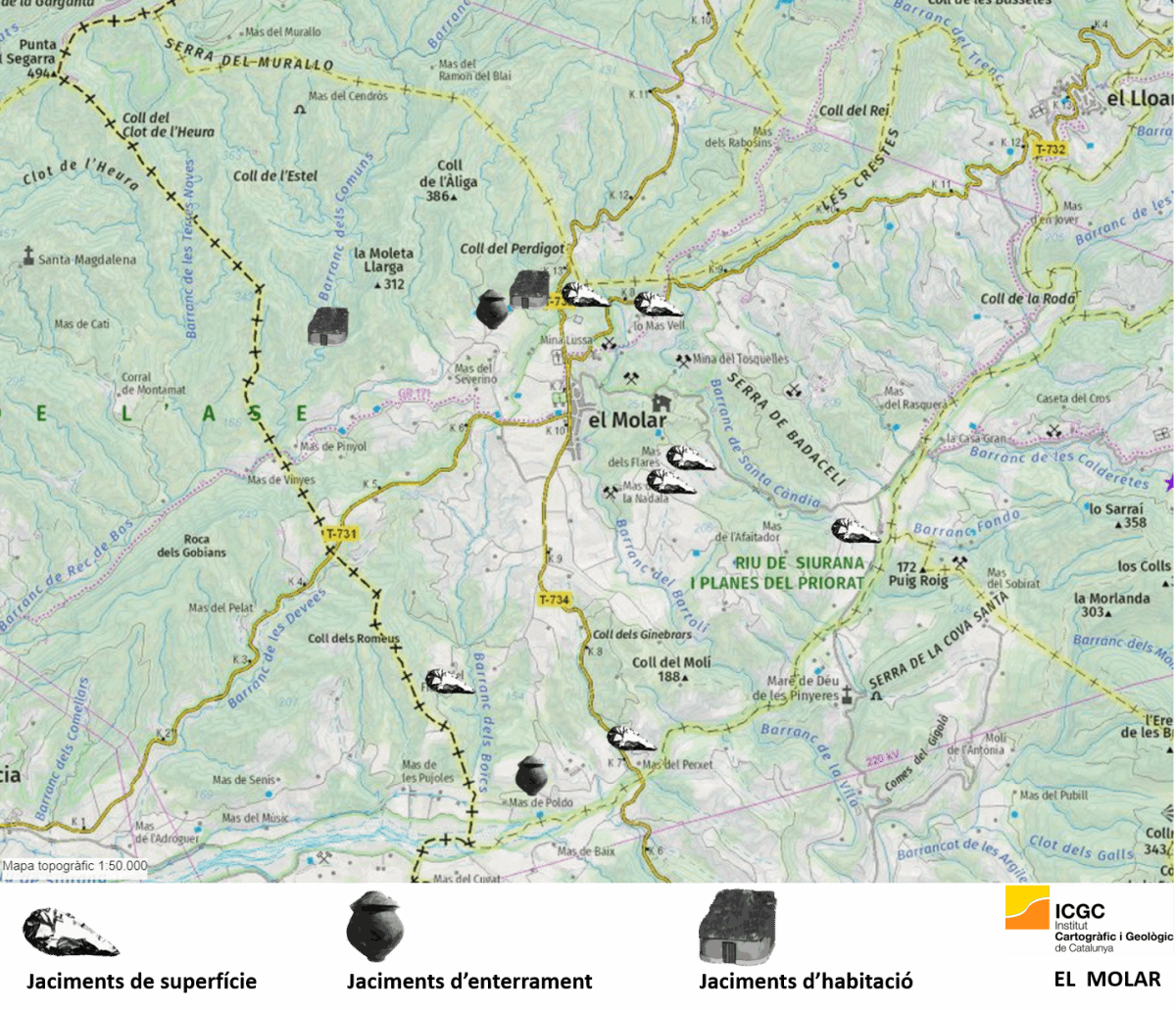
Flintknapping workshop sites distributed by the term of Molar.
Bronze Age and Early Iron Age periods
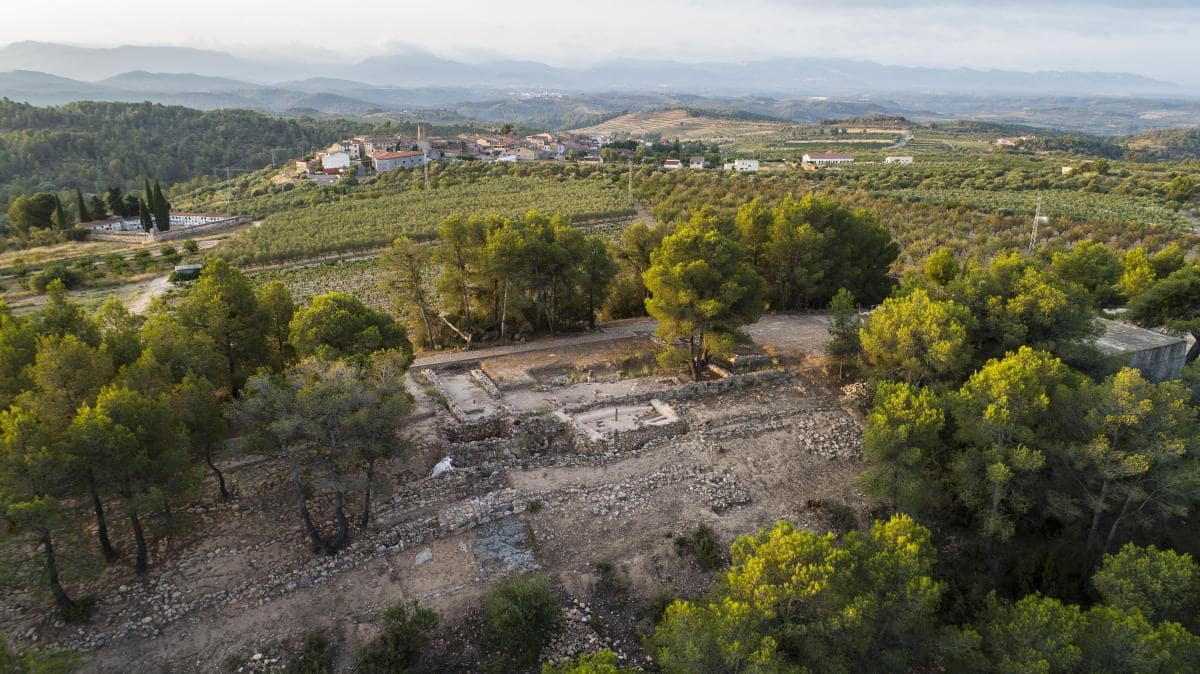
Archaeological site Calvary settlement and necropolis associated with the settlement.
Roman period
Remains of a Roman rural settlement. (1st-2nd centuries AD)
Andalusian period
Scattered rural population at the end of the Molar, which depend on the Andalusian government of Garcia (10th to 12th centuries AD)
1156
Ramon Berenguer IV donates the lands of El Molar to the monastery of Poblet (a set of orchards and the Mas d’en Bas are donated)
Timeline of the period: 1194 to 1949

Chronology (from 1194 to 1949)
- 1194 - Middle AgesKing Alfons the Chaste grants the monks of St. Bruno a set of lands (which will constitute the origin of the Priorate of Escaladei and part of the historic Priorat).
- 1309 - Middle Agespart of the lands in the current municipality of El Molar pass into the hands of the barony of Entença (Guillem d’Entença i Montcada, specifically) and, upon his death, are incorporated into a political-territorial entity that will eventually become the county of Prades and the barony of Entença, when King James II cedes these territories to his son Ramon Berenguer of Aragon, who exchanges it with his brother Peter of Aragon.
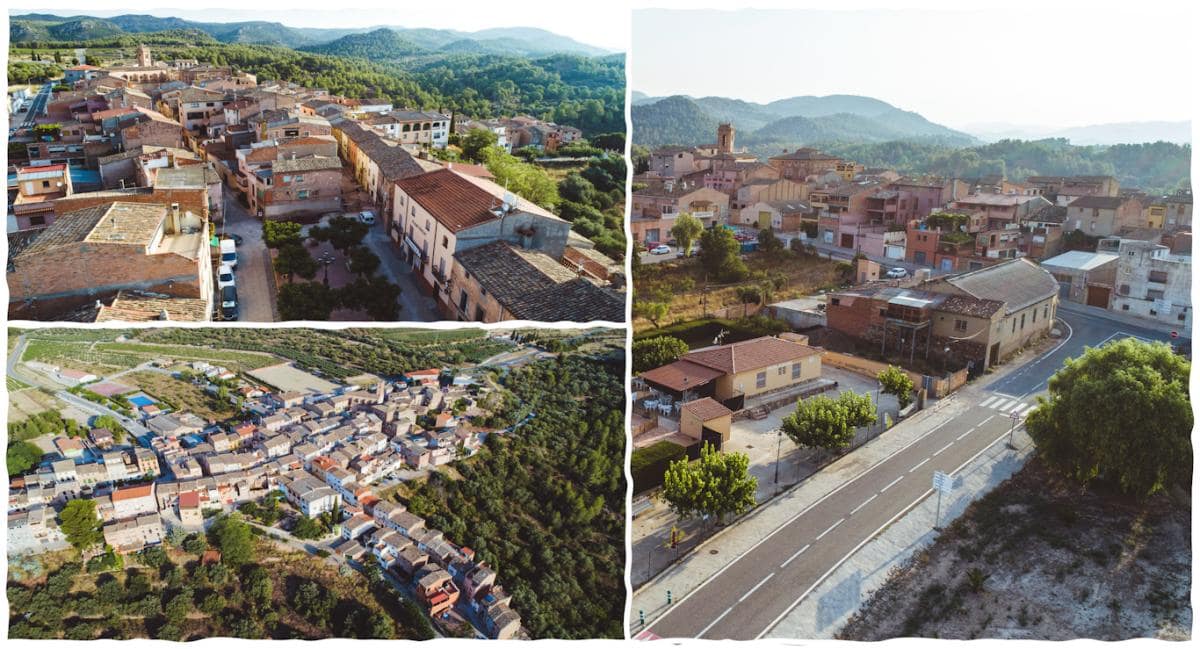
- 13th-14th Centuries - Middle Ages: Foundation of the "historic centre" of El Molar, born from the grouping of farmhouses.
- 1788Constitution of the'Church Molar's Parish Church of Sant Roc and Sant Isidre.
- Early 1800sConstruction of the Rent-a-car of the molar.
- 1800-1900Economic trough moment for the population with the construction of several lordly cases".
- 1890-1900Arrival of the Phylloxera to Priorat.
- 1835: Mendizábal's Disentailment, the State confiscated the possessions of the monastic orders (land and a small monastery - Mas dels frares - located in the municipality of El Molar) and sold them to the highest bidders.
- 1850: El Molar se segregates from Garcia i becomes an independent municipality.
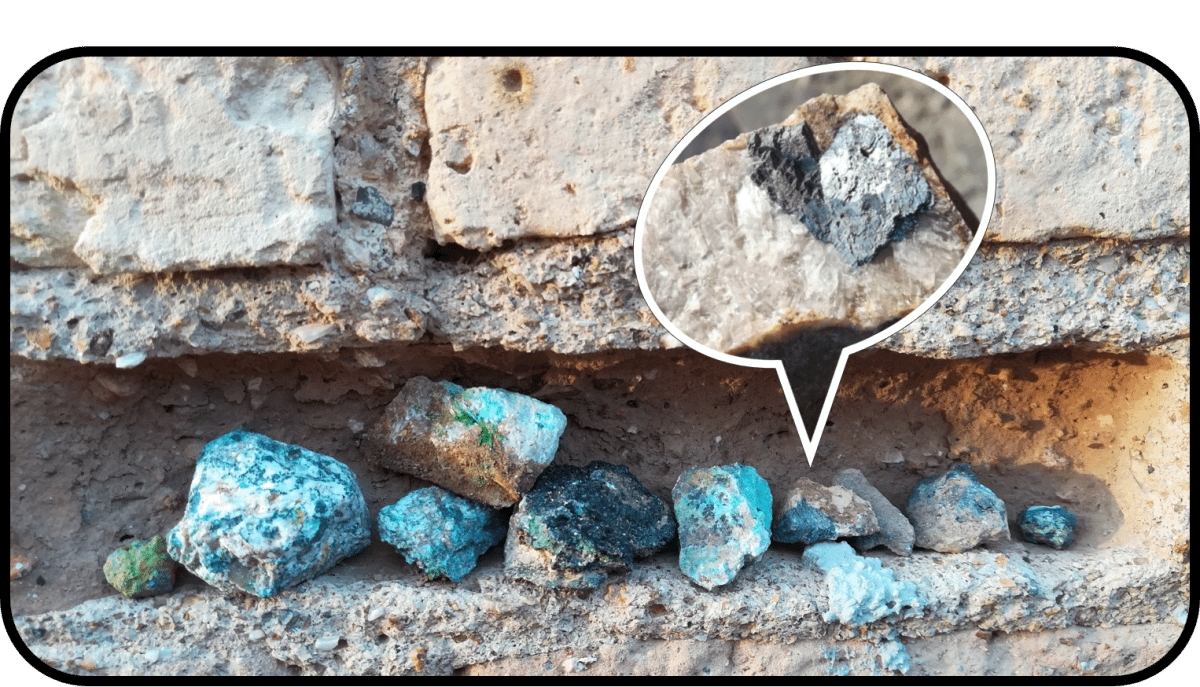
- 1900-1990: Mining boom The establishment of mining operations such as Lussa Mine, Raimunda Mine, Mineralogy Mine (which operated until 1992), Ventura Mine, Serrana Mine...
- 1900-1930Establishment of various Workers' groups/associations (related to the arrival of mining) and the founding of the Traditionalist Workers“ Centre (1911) and the Workers” Cooperative Society "La Unión" (La Gaia) (1913, with the construction of its premises in 1930).
- 1912-1974the Mina Lussa in operation (except during the Civil War shutdown).
- 1936-1938the Mina Lussa works with the CENU school (among other uses).
- 1938the Mina Lussa It functions as a hospital during the Civil War, specifically the Battle of the Ebro.
- 1949Constitution of La Co-operative El Molar Farm.